
Work With Us
Terms and Conditions
Cookie Policy
Privacy Policy
Manage Consent
TOTAL EXPERTISE SOLUTIONS
Consulting Agency
Consulting Firm!
Total Expertise Solutions stands for competence, integrity, and precision offering trusted expertise to help clients navigate complexity and achieve sustainable success.
Discover all the news and read the latest news
All articles
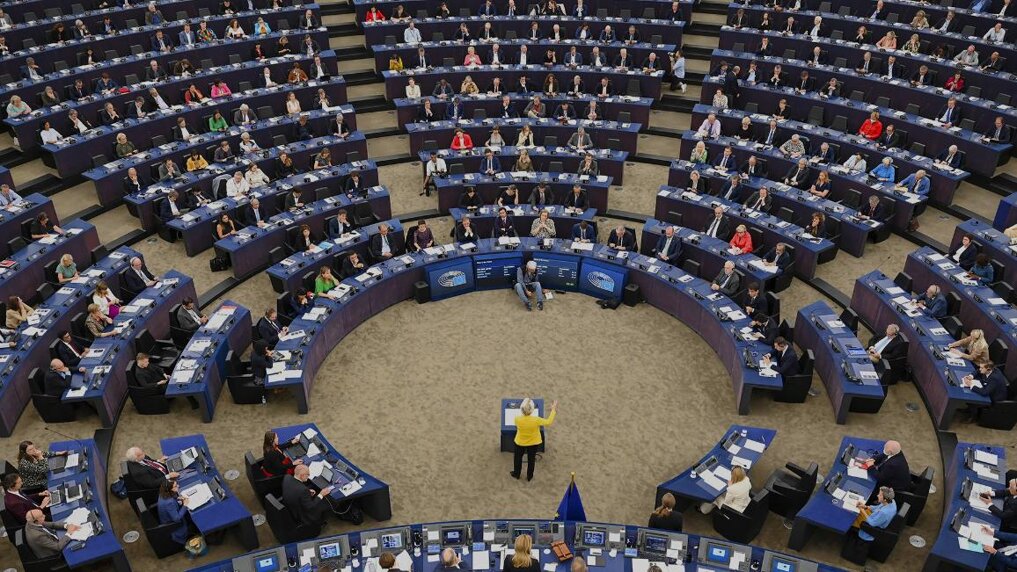
Is the European Union Finally Becoming a Geopolitical Power?
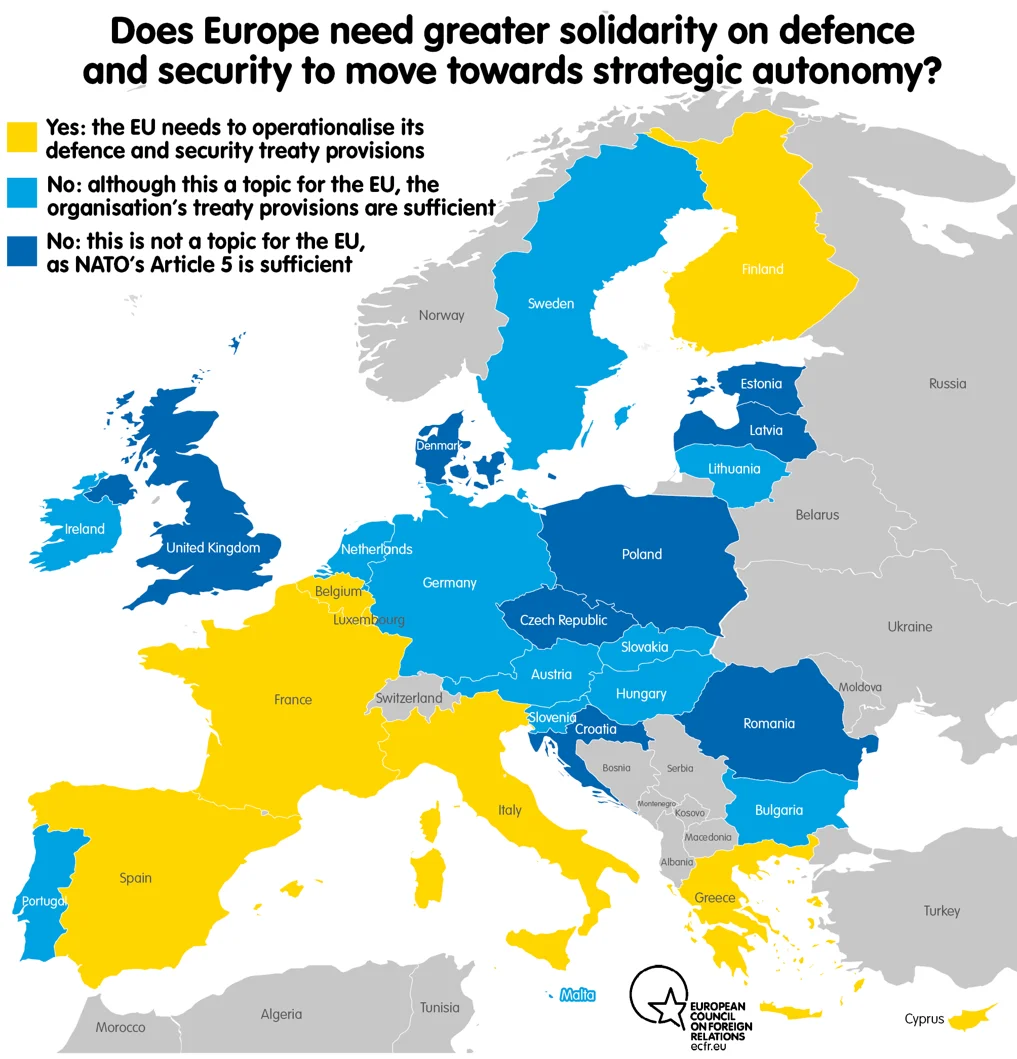
For years, the European Union presented itself as a project of peace, law, and shared values rather than power politics. It believed that rules could replace force and integration could neutralize conflict. Today, that vision is being tested. War on its borders, energy insecurity, and global strategic competition have pushed the EU into unfamiliar territory. Strategic autonomy, sanctions, and security cooperation are no longer abstract concepts but daily policy tools. This is not a rejection of European values, but a realization that values alone are insufficient without the capacity to act. The EU is learning, sometimes painfully, that credibility in global affairs requires decision-making speed, political unity, and strategic clarity. Whether this transformation will succeed remains uncertain. What is clear, however, is that the EU can no longer afford to be only a regulatory power in a world driven by geopolitical realities.
Law in a World of Power: Can the EU Still Shape Global Governance?
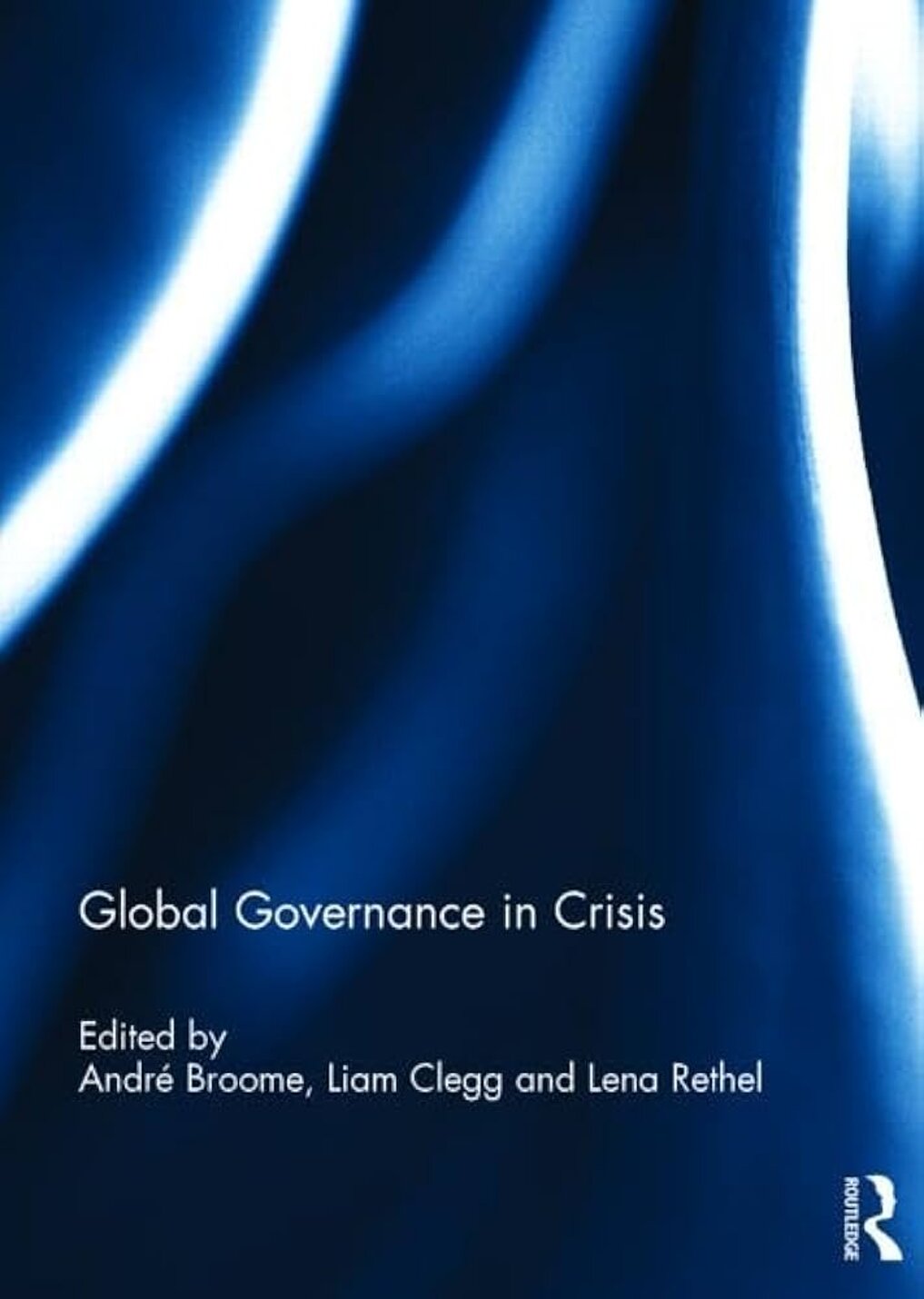
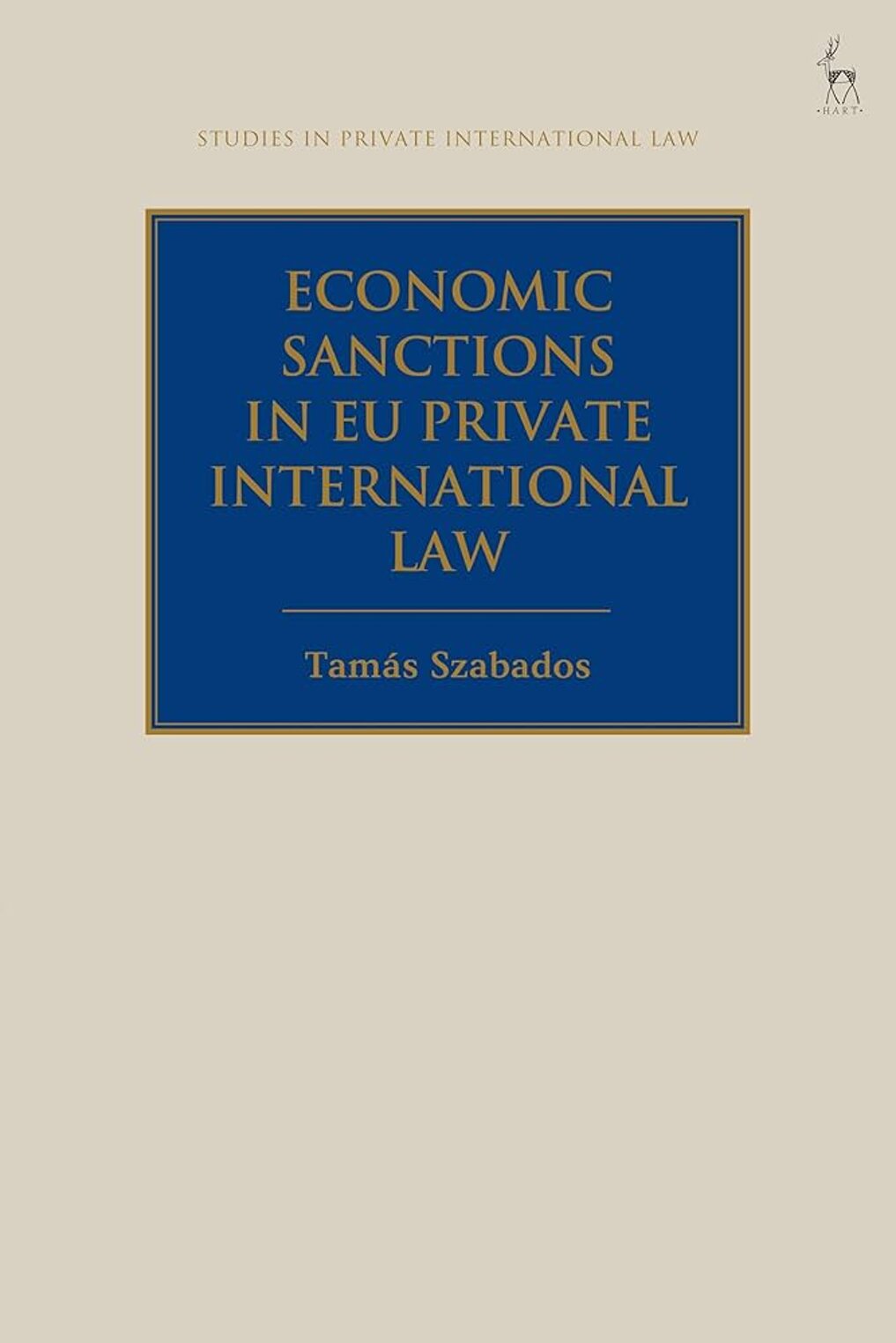
Global governance is no longer defined by cooperation alone. Strategic rivalry, fragmented institutions, and selective respect for international law dominate today’s world. In this environment, the European Union faces a fundamental dilemma. Built as a legal and multilateral project, the EU now operates in a system where power often outweighs rules. Yet instead of abandoning its legal identity, the Union is adapting it. Sanctions regimes, defensive trade tools, and regulatory diplomacy show an EU willing to use power, but within legal frameworks. This pragmatic shift reflects an understanding that law must be defended, not assumed. The future of EU influence will depend on its ability to combine legal credibility with strategic flexibility. In a fragmented world order, the EU’s challenge is not to choose between law and power, but to make them work together.
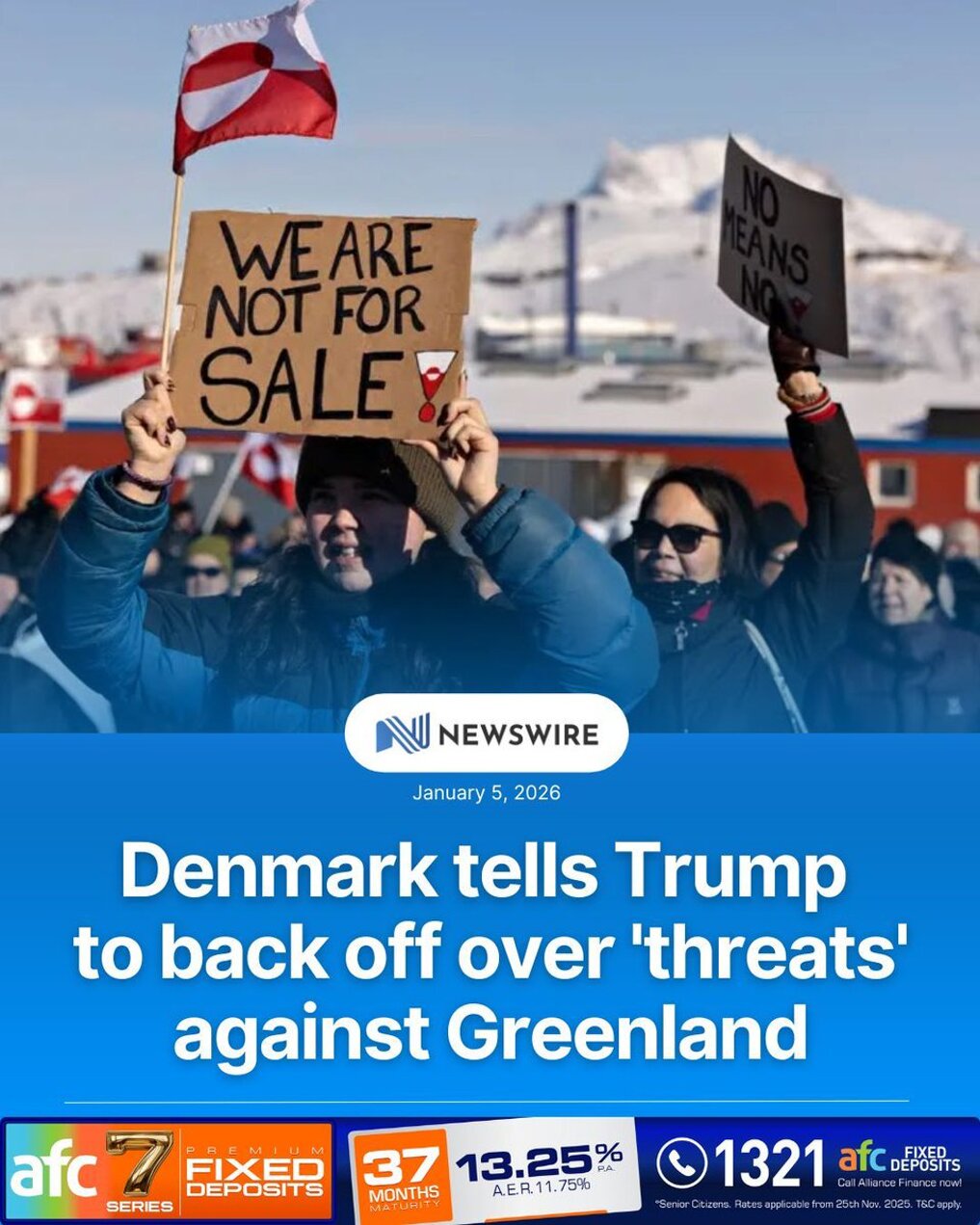
Greenland, Power Politics, and the Return of Geopolitics in the Transatlantic Space
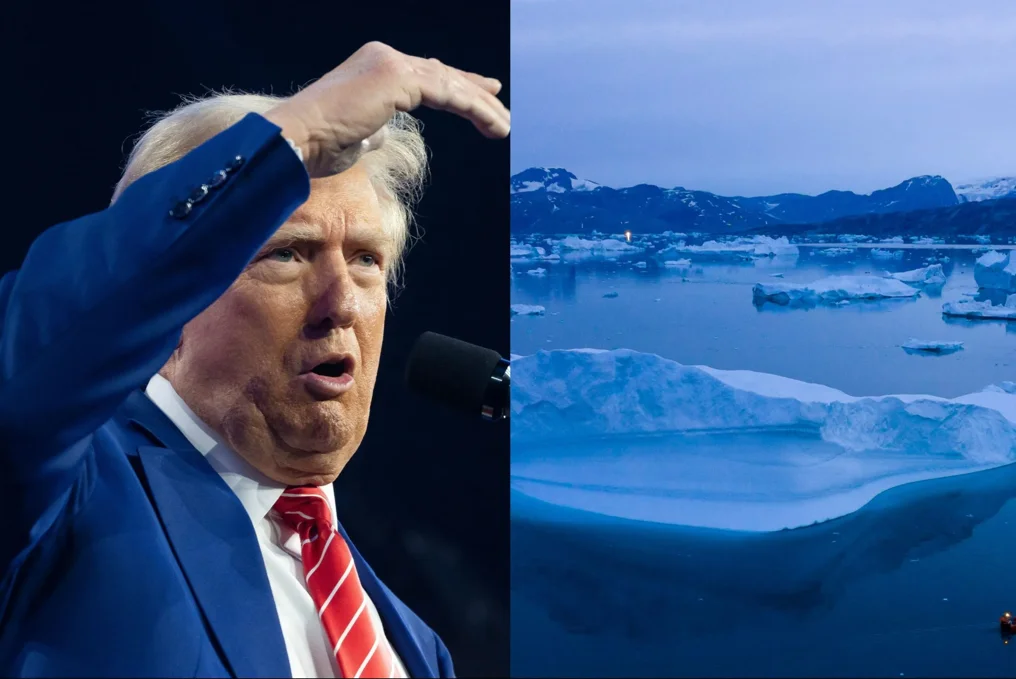
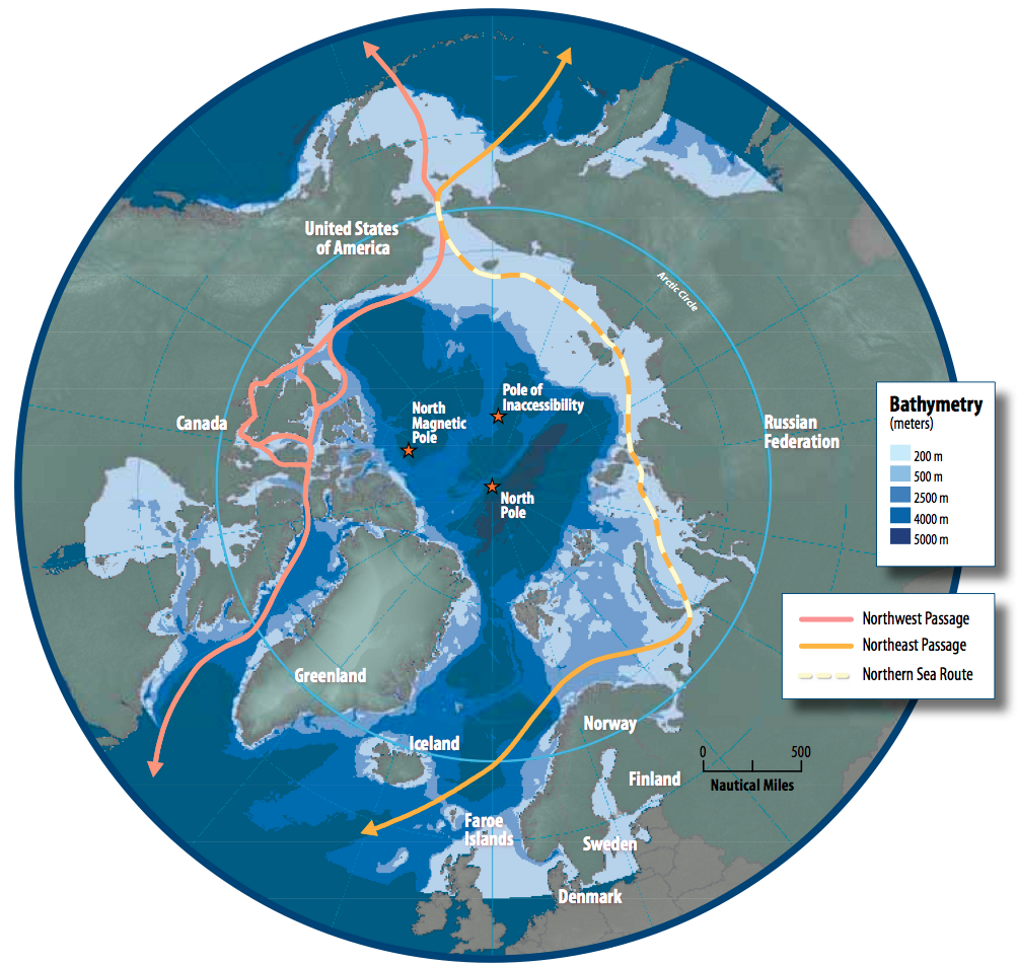
What is happening around Greenland is not a diplomatic curiosity, but a clear signal of how geopolitics has returned to the center of global affairs. The growing interest of the United States in Greenland reflects strategic calculations linked to Arctic routes, rare earth resources, and military positioning in an increasingly competitive world. Greenland, formally connected to Denmark yet geographically and strategically Arctic, has become a symbol of how power politics now openly shape international relations. For Europe, this moment is revealing. It exposes the fragility of assumptions that alliances automatically neutralize conflicting interests. It also challenges the European Union to think beyond legal frameworks and declarations. Strategic relevance today depends on presence, vision, and autonomy. Greenland reminds us that geography still matters, sovereignty is never abstract, and even among allies, power and interests ultimately drive global decisions..
We are a freelancer with years of experience in consultancy sector with best experts.
We provide a consultancy service tailored to meet the needs of our clients.
CONTACTS
Get in touch
info@tesagency.eu